Our winemakers
On these pages, you will find information, facts and figures about our winemakers. We focus on producers of authentic wines with that certain something! Grown from healthy vines and crafted by hand in the cellar, their wines reflect the traditions, grape varieties and soils of their region.
Besson - Strasser
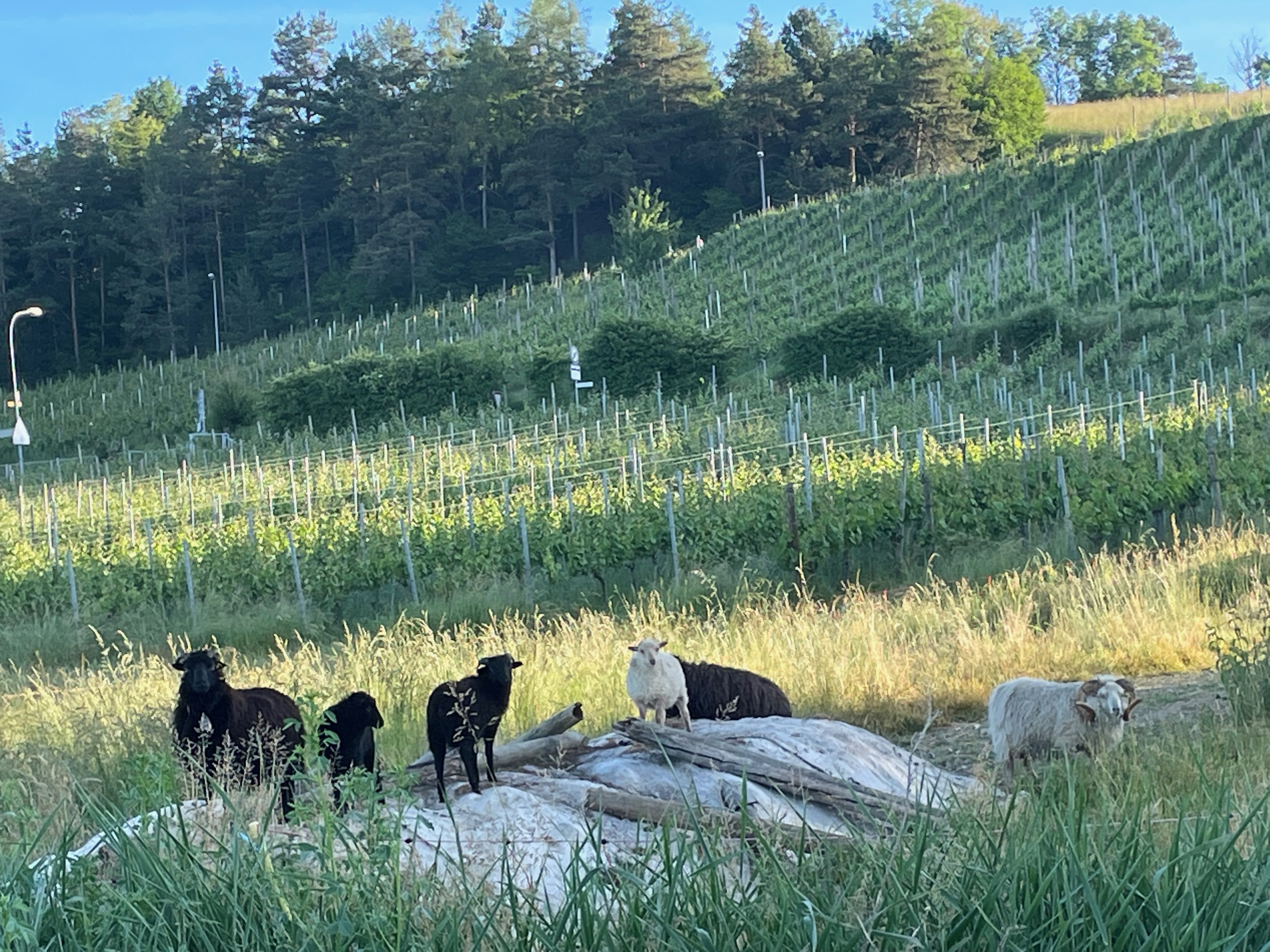
In the wine region, so-called ‘Landwein’ reigns supreme – often too simple, standardised and sweet. It takes courage to think differently, just like Nadine and Cédric. The journey was not an easy one: the switch to biodynamics, the return to dry whites and terroir-driven reds in the cellar. Or their passion for the indigenous Räuschling variety, their involvement in the 8247 project in Flurlingen and the associated, forward-thinking cellar renovation. After a good 15 vintages, Besson-Strasser wines have secured their place among Switzerland’s top wines. Various accolades in specialist publications bear this out. We are proud to stock their exquisite wines. The Pinots are in a class of their own – yet the Räuschling Non-filtré, bottled after two years of yeast ageing, embodies the Besson-Strasser ‘DNA’ to perfection!
FactsheetChampagne Hugues Godmé
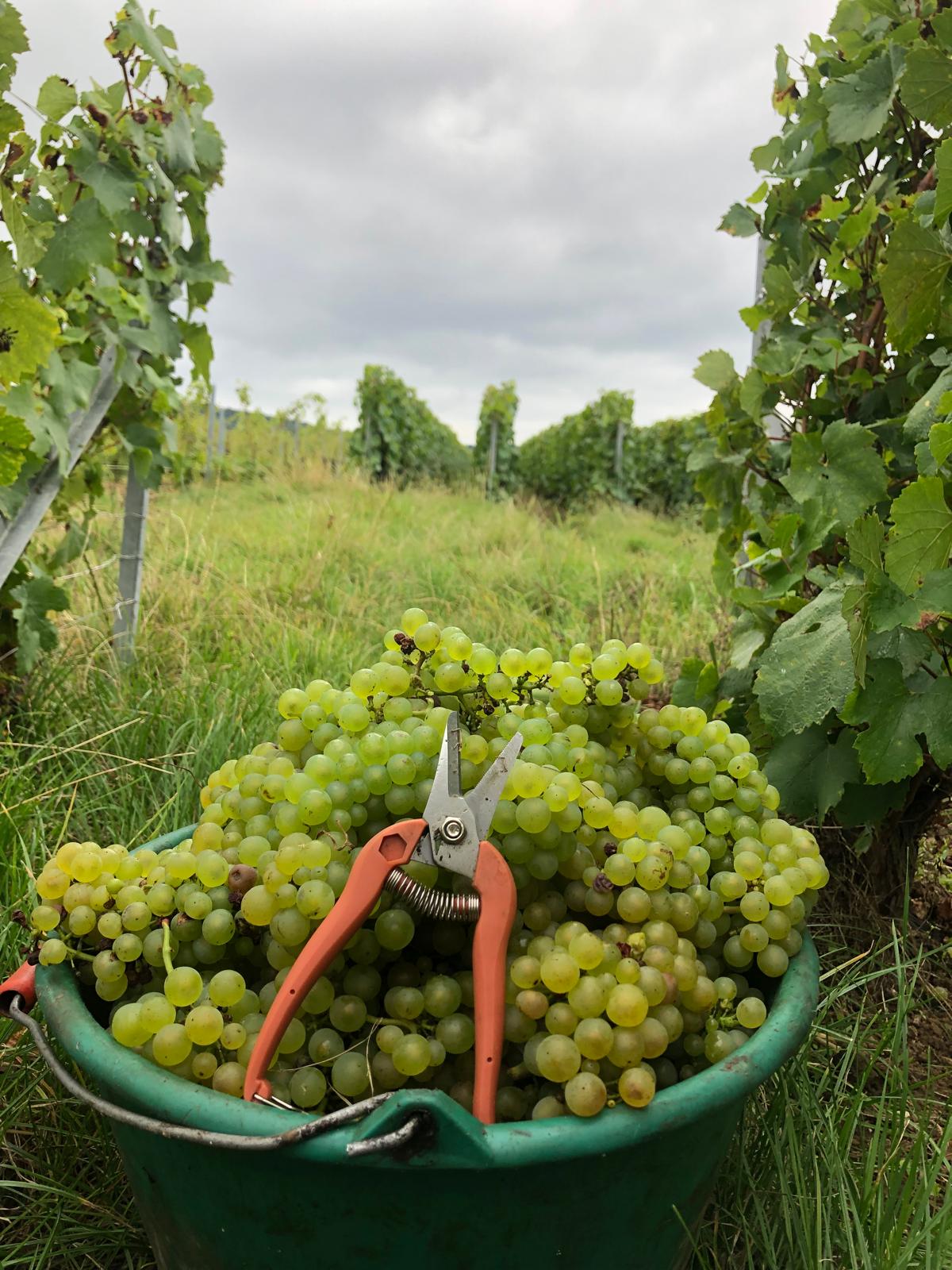
Hugues Godmé, who has been part of the family business since 1978, is regarded by Champagne expert Peter Liem as a star among the Grand Cru vineyards of the village of Verzenay, in the Montagne de Reims. Since 2015, he has been forging his own path with great passion, having broken free from family constraints. His vineyards are Biodyvin-certified, and he is dedicated to the Brut Nature style – clear, precise, uncompromising. Most of the vines are rooted in Verzenay, with additional plots in Verzy, Villers-Marmery and Ville-Dommange. Since the 2020 vintage, his daughter Lucille has brought new energy and lightness to these crystalline, profound wines. The Blanc de Noirs can be considered his signature cuvée. The vinous Rosé de Macération displays character and smoothness. The vintages, aged on the lees for over ten years, captivate with their texture, depth and radiant freshness.
FactsheetParigot & Richard
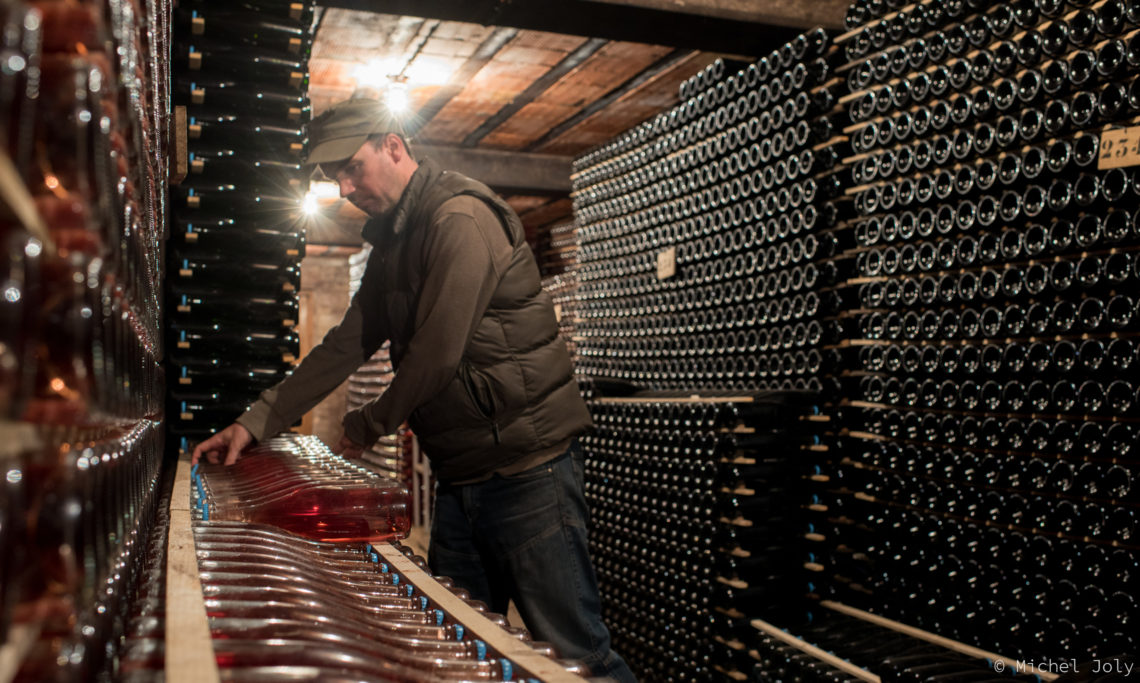
In the heart of tranquil Savigny-lès-Beaune, a family has been perfecting their Crémant de Bourgogne since 1907. Today, the warm-hearted Grégory runs the estate as the fifth generation – with deep respect for history, terroir and his team. The grapes come from their own vineyards. From the base wine to bottle fermentation, from riddling to disgorging – everything is carried out with meticulous care by hand. Even the basic cuvées mature on the lees for 36 months. Compared to still wines from the Côte, these Crémants are pleasantly down-to-earth in price. The Cuvée Origine Brut – a fine blend of Pinot, Chardonnay and Aligoté – is a true all-rounder, ideal for an aperitif. The Rosé Monochrome shines with delicate berry fruit, elegant structure and astonishing length.
FactsheetDomaine Pattes Loup
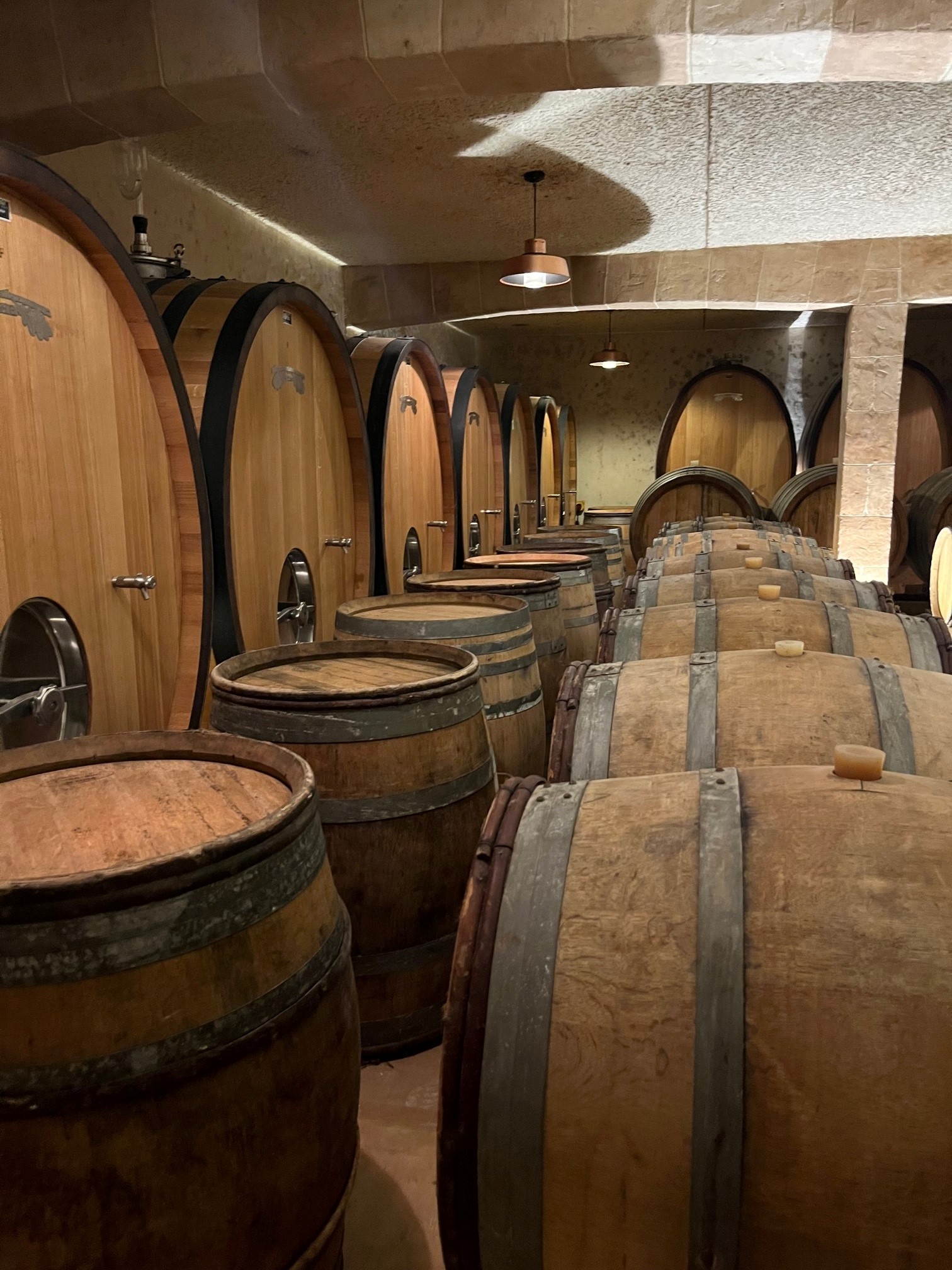
Thomas Pico’s wines speak volumes even for Chablis: they tell the story of the terroir – and of a winemaker with conviction. Since 2005, he has been working tirelessly towards his vision of a great Chablis: his aim is not freshness at any cost, but perfect physiological ripeness. To achieve this, he puts enormous effort into his biodynamically farmed vineyards – with a strong focus on ground cover and vine training. The grapes should reach the bottle as unadulterated as possible. This means: slow pressing, no pumping, no sulphur until bottling. No fining, no filtering – gravity takes care of that. After a year in used 500-litre barrels, they mature for a further two to four years in tanks. These ‘Mises Tardives’ or ‘late releases’ are truly unique – impressive even when young, with great potential for ageing.
FactsheetDomaine du Pré Semelé
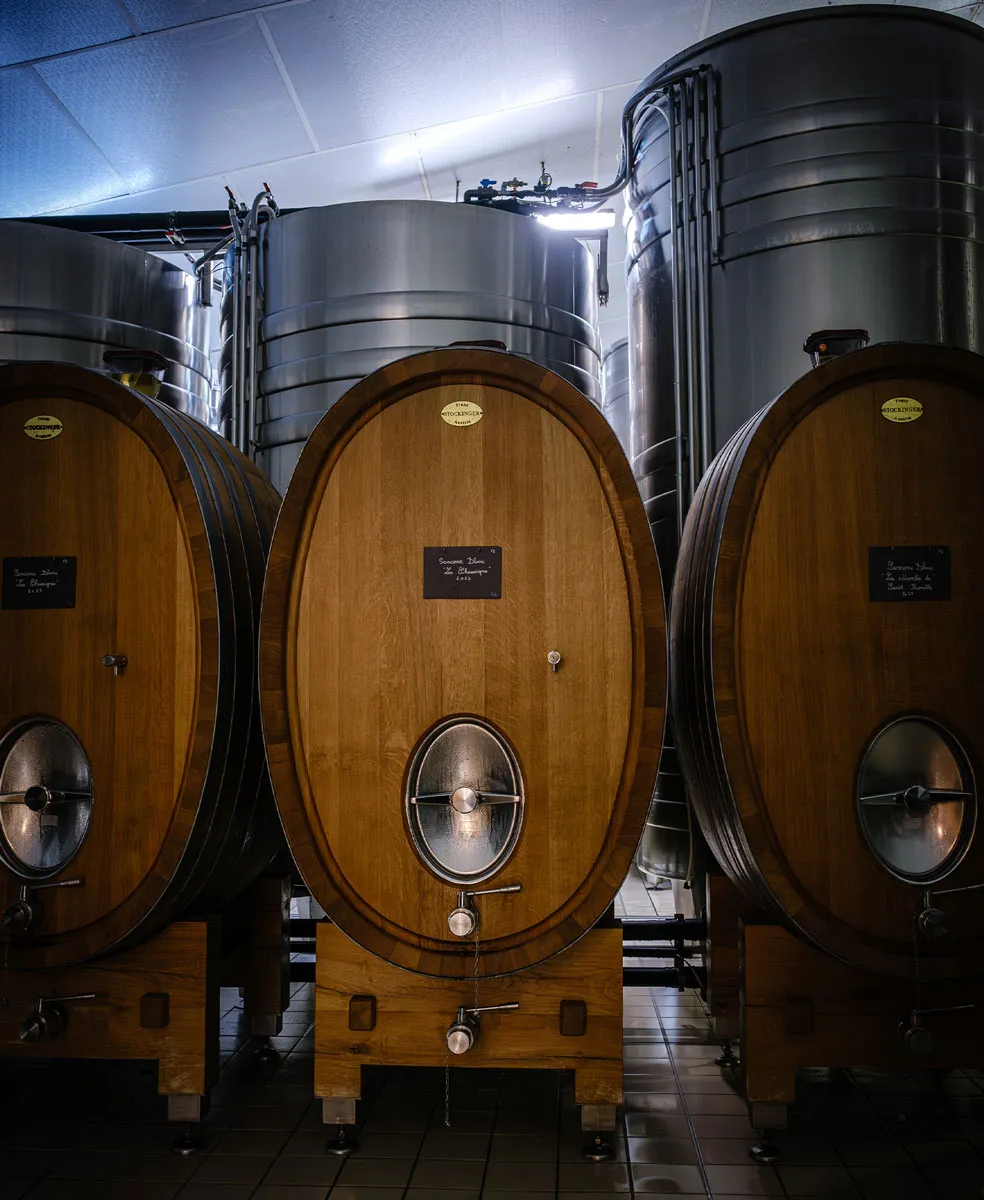
The Domaine du Pré Semelé, named after the hamlet of the same name, is picturesquely situated in the heart of Sancerre, near Chavignol. Clément and Julien Raimbault manage the family estate with great sensitivity. Respect reigns in the vineyard: sustainable practices, minimal intervention, extensive cover cropping, and no pesticides or herbicides. In the cellar, the motto is: less is more. The wines speak softly but powerfully. Sauvignon Blancs that combine clarity with depth and minerality – a modern interpretation of the Sancerre style, which is not diluted by selected yeasts or the suppression of malolactic fermentation, and requires only a small dose of home-produced, volcanic sulphur. The Cuvée Mainbré is the ‘staple piece’. Terroir enthusiasts compare the Cotelin from Kimmeridgian limestone with the Chasseignes Portlandian soils.
FactsheetDomaine Aurélien Revillot

These wines captivate and provoke thought: cool, ethereal, vibrant, fruity. Built on chalk-soft tannins, juicy acidity and notes of graphite. One wine more fascinating than the next, and one wonders: how does he do it? The modest Aurélien would surely put it down to the terroir. But that alone cannot be the answer; the wines have too distinctive a signature for that. The mostly old vines are planted in prime sites around the village of Restigné, AC Bourgeuil, on Turonian limestone and are biodynamically certified (Biodyvin). In the cellar, everything is destemmed, fermented slowly without mechanical intervention (ne pas toucher!) and aged in used barrels in the cool cellar for at least 24 months. Malolactic fermentation takes place without intervention, only in the spring. SO2 is used in small doses, only at bottling. It all sounds rather simple, somehow …
FactsheetLe Grappin
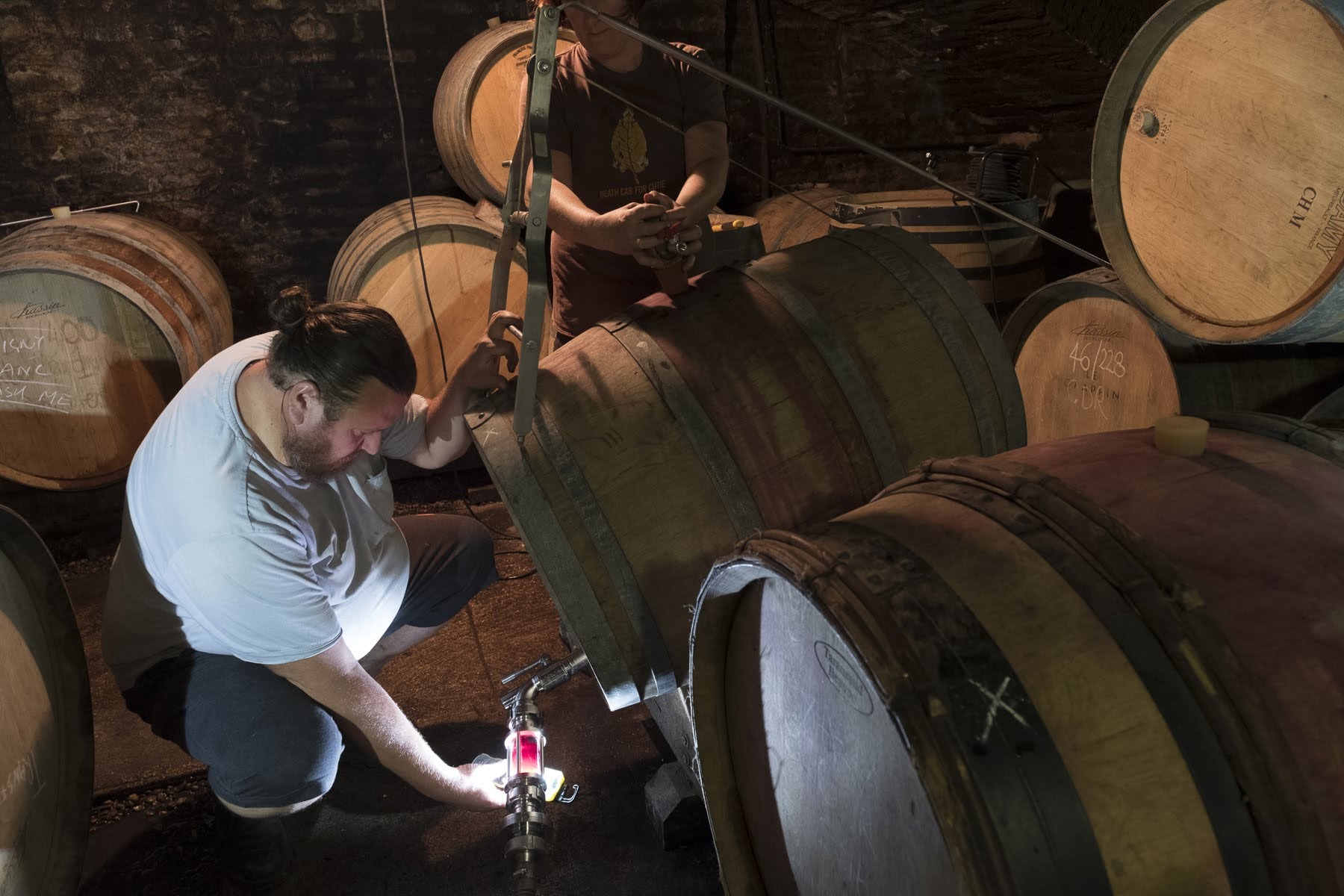
It was a Clos de la Roche from Dujac that prompted Andrew to give up his career in advertising. After completing his studies and apprenticeships at Kosta Browne (CA), Felton Road (NZ) and with Simon Bize in Burgundy, he founded Le Grappin in 2011. His passion lies in soils and forgotten winemaking techniques. Consequently, the terroir dictates the approach in the cellar – inspired by the wealth of specialist literature that Andrew devours. Over the years, this has given rise to his delicate yet highly personal style. All the wines are left to rest undisturbed for long periods in neutral wood or concrete eggs and, despite minimal intervention, are clear and clean. We love the Mâcon-Villages with its aroma of white fruit and herbs and its salty finish. Our insider tip: the rare white Beaune 1er Les Grêves is in a class of its own!
FactsheetDomaine Ami
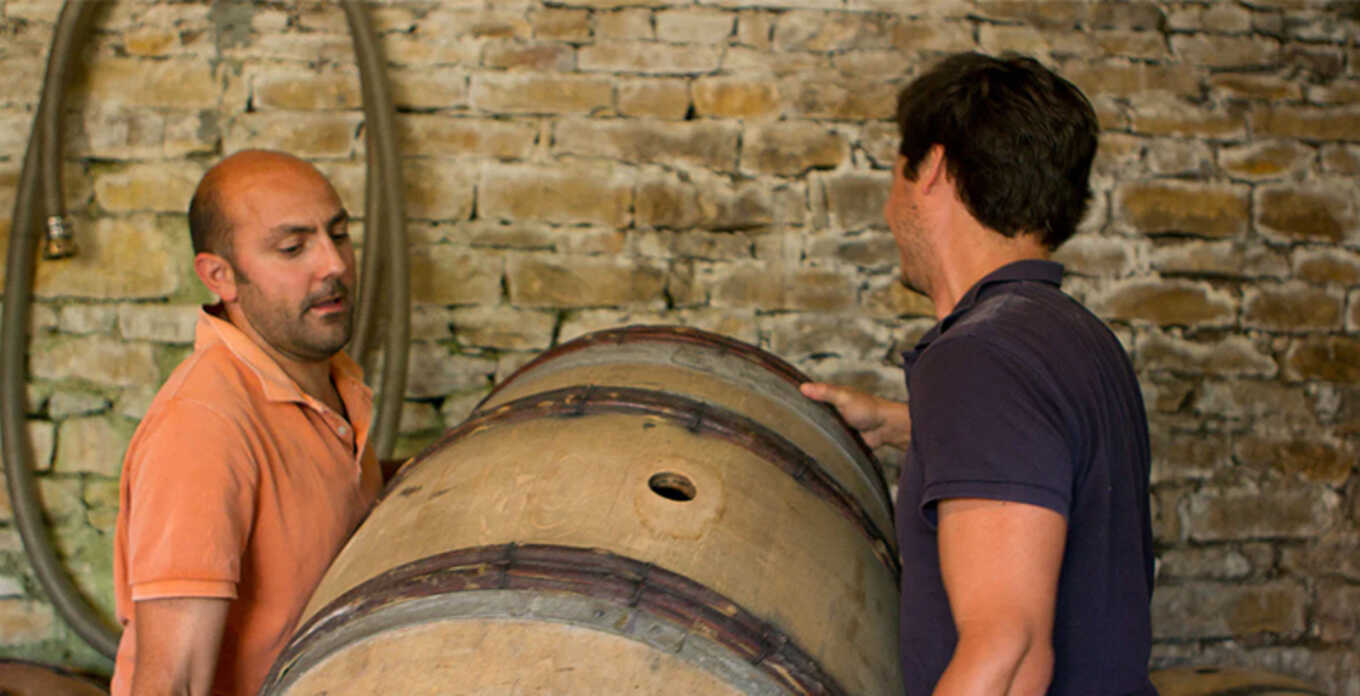
Domaine AMI is the labour of love of two friends – Willy and Paul – who combine their passion for wine, craftsmanship and terroir. The pair cultivate small, often little-known vineyards with care and respect for nature. Their meticulously crafted wines are lively, full of character and often skilfully play on a hint of reduction. Domaine AMI embodies a modern Burgundian style: clear, accessible, yet with depth and terroir. Whilst it is primarily the visually striking labels such as the ‘Amivice’ or the ‘Nuages’ range that are familiar from fine wine bars around the globe, it is the ‘more serious’ wines, such as the Pommard Villages, that are all the more astonishing. Each wine tells a story of the soils, the climate and the friendship from which the project was born.
FactsheetClos des Vignes du Maynes
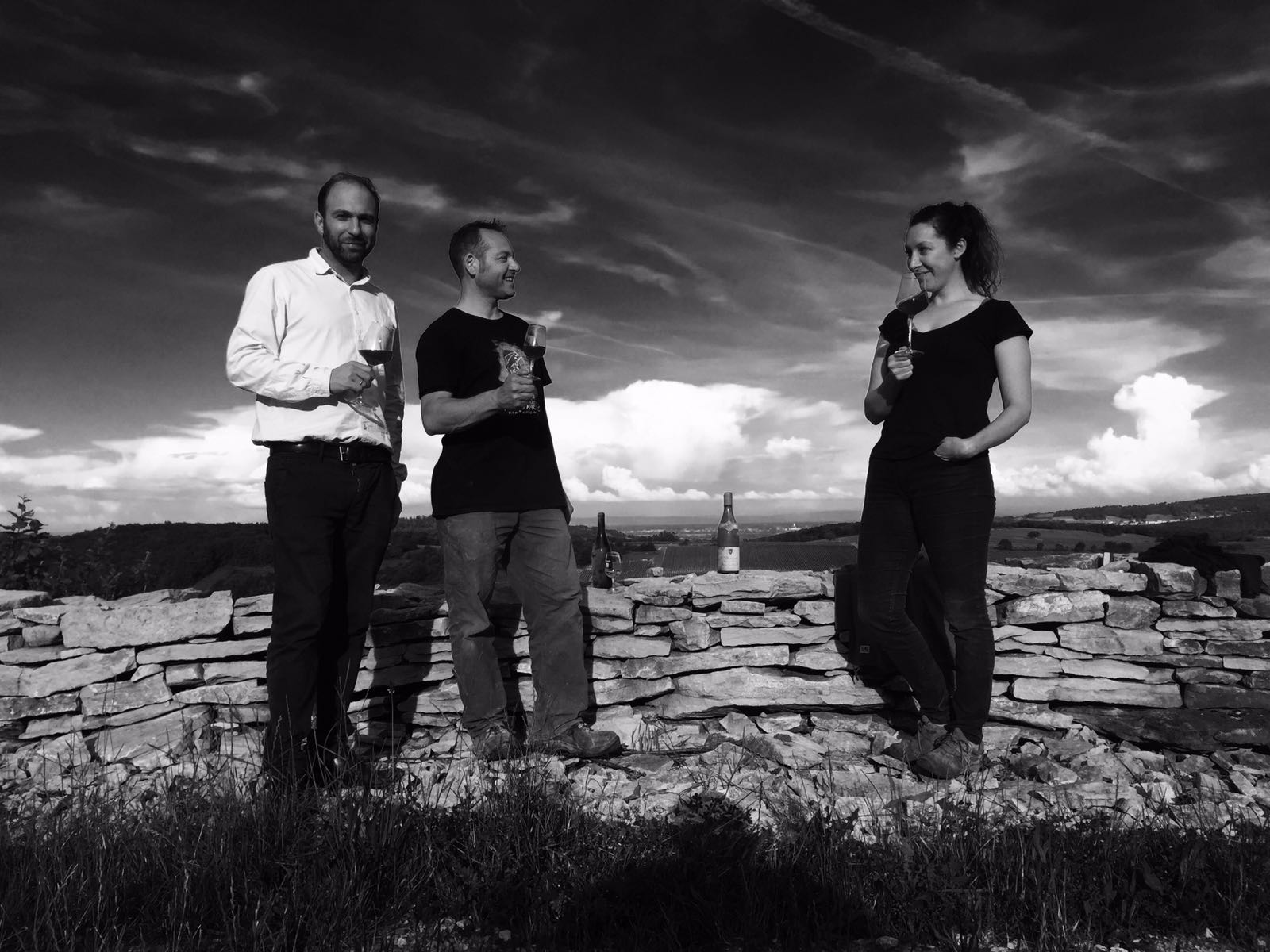
We are delighted to have formed this partnership with this historic vineyard, which has now come to fruition after we first met the owner, Julien Guillot, back in 2016. The Clos des Vignes du Maynes is situated in the Mâcon-Cruzille AOC in southern Burgundy. It is one of the oldest, historically documented vineyards in France – first mentioned in 910 by monks from Cluny Abbey. Since 1954, now in its third generation, the vineyard has been cultivated without pesticides or herbicides, long before organic certification existed. Today, the charismatic Julien runs this gem with great dedication. The work in the vines and in the cellar is ‘impeccable’ and the wines are groundbreaking! The top trio, consisting of the white ‘Aragonite’, the red-and-white ‘Cuvée 910’ and the Gamay ‘Manganite’, is something every self-respecting wine lover should have tasted at least once.
FactsheetDomaine de la Petite Gallée
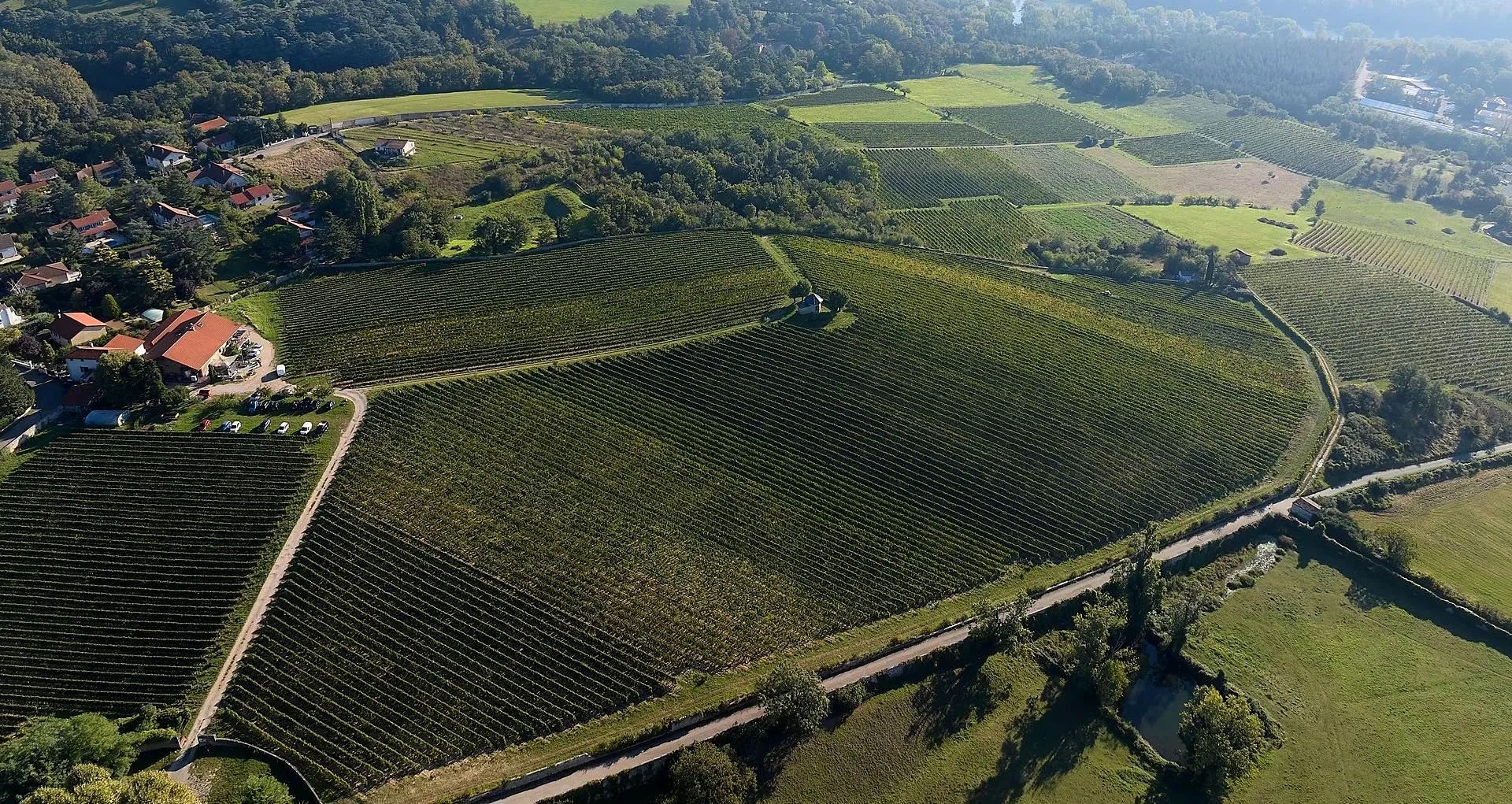
A picture-perfect walled vineyard (clos): within it, perfect rows of healthy vines, a charming house with a wine cellar, and a close-knit three-generation team working with passion – all just a stone’s throw from the gourmet capital of Lyon. To the south lies the Côte Rôtie, to the north the Beaujolais, yet here we are in the little-known AOC ‘Côteaux du Lyonnais’, whose wines rarely make it beyond the city walls. Pierre Tholet, the youngest scion, gained experience with M. T. Chappaz in Valais and Besson-Strasser. Founded by his great-grandfather and now run by Pierre, his father Patrice and his grandfather Robert, authentic, characterful wines are produced here on deep glacial moraine soils; wines that delight completely with their honest expression and surprisingly fair prices.
FactsheetChroma Soma & Domaine des Enfants
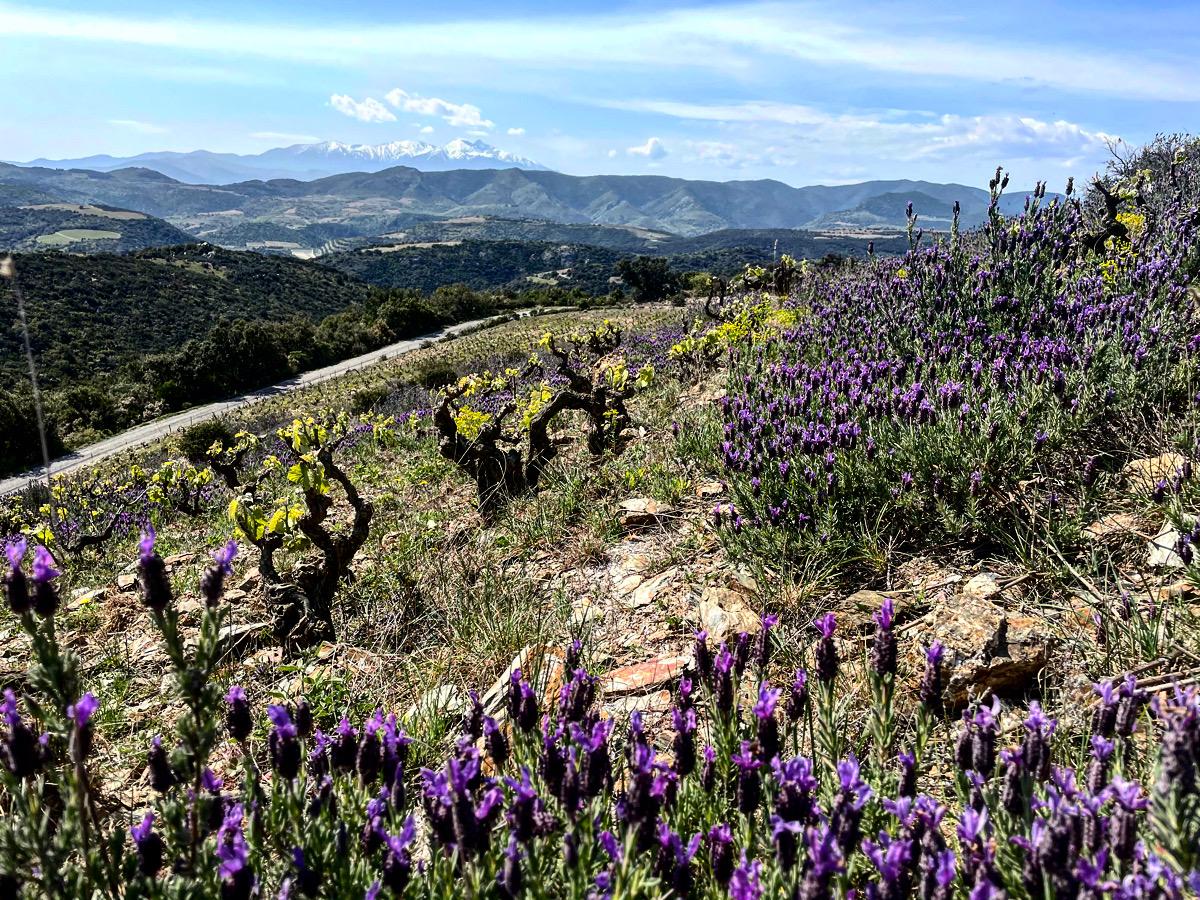
Old, gnarled vines, drought, rural exodus. A wine region that has been searching for its identity for decades – the Roussillon. In recent decades, it has become a playground for expats such as the American Carrie Ann Sumner and the Swiss Marcel Bühler. In Maury, they run Marcel’s Domaine des Enfants and the joint venture CSMB. Carrie Ann describes the latter as a ‘soil study’. Determined to capture the expression of a single vineyard’s specific soil type through a single grape variety in the bottle, this involves an early harvest of physiologically ripe grapes and meticulous sorting out of all overripe berries. The whites are pressed immediately; for the reds, the grapes are destemmed and gently extracted, with ageing taking place in neutral vessels.
FactsheetFliederhof Weinmanufaktur
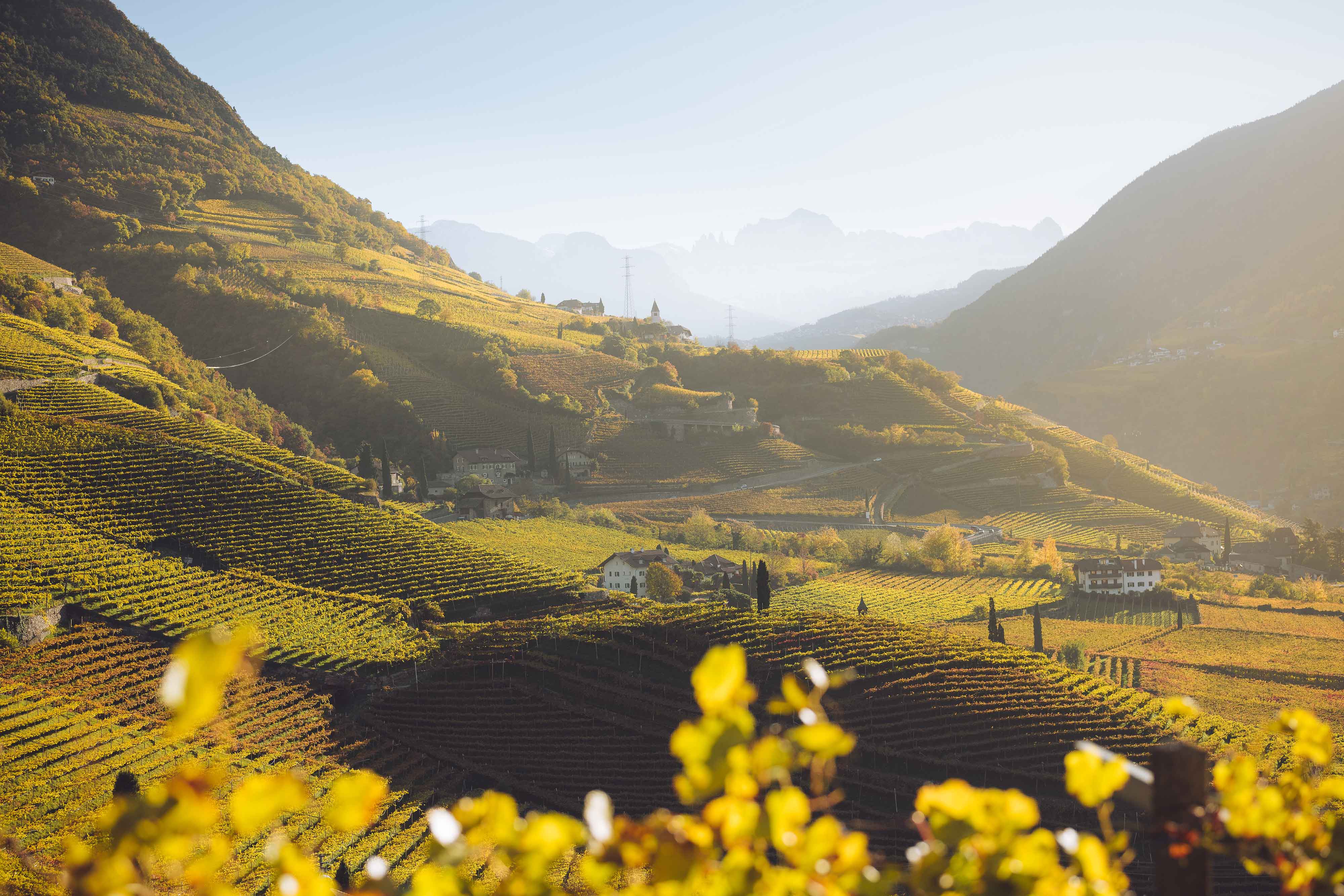
The Fliederhof is a family-run estate with heart and history – deeply rooted in the diverse soils of South Tyrol. On mineral-rich gravel terraces, loamy hills and sun-drenched, partly steep slopes, wines with an unmistakable character are produced. Since 1930, the Ramoser family has been working here in harmony with nature. Martin Ramoser has now converted the estate entirely to biodynamic farming. Every wine from the Fliederhof combines traditional craftsmanship with modern precision. The indigenous varieties Lagrein and Vernatsch are particularly close to the Ramosers’ hearts. The Lagrein is dark, dense and spicy, whilst the Vernatsch, as an elegant, fragrant South Tyrolean classic, embodies the region’s finesse. The result is authentic wines that cannot deny their origins.
FactsheetJutta Ambrositsch
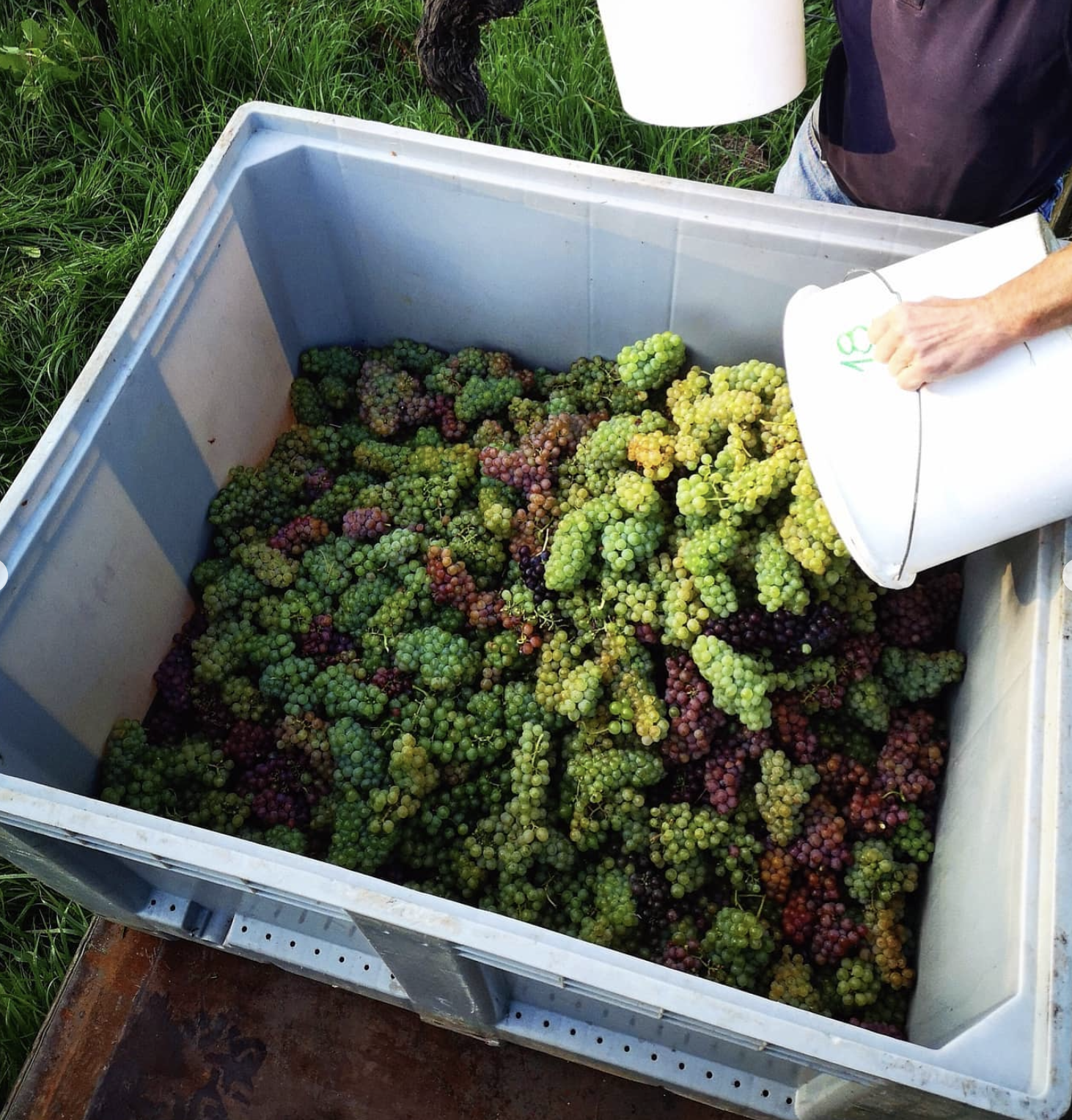
These wines are brimming with Viennese (drinking) culture, wordplay and flavour – one bottle is rarely enough. Perhaps that is why the entry-level cuvée, ‘Ein Liter Wien’, is bottled in one-litre bottles. Jutta gave up her career in advertising to devote herself entirely to her vines on both sides of the Danube. Together with her husband Marco, a professional copywriter, they also run the popular “Buschenschank in Residence” in Grinzing on a few weekends each year. Under the city constitution, Viennese viticulture is protected and the vineyards are therefore inalienable. The “Gemischter Satz” is the speciality here: different varieties, harvested, fermented and matured together – this produces smooth, full-bodied yet fresh wines, with complex aromas and plenty of character.
FactsheetThomas Litwan
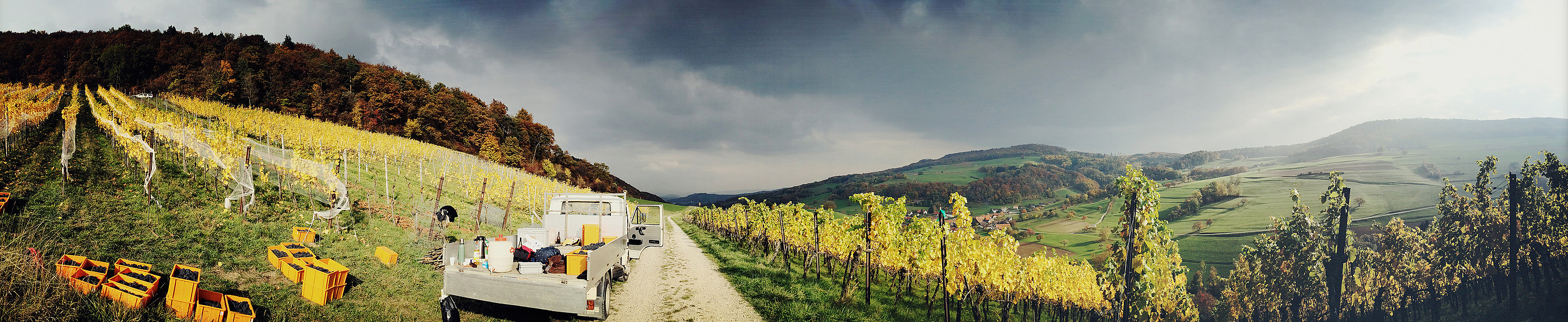
The fact that Thomas Litwan, a resident of Zurich, produces wine in his home canton is actually down to chance. As is the fact that he makes wine at all. Tom originally trained as a bricklayer, but in 2006 he swapped his trowel for pruning shears. After completing a second apprenticeship as a winemaker, he laid the foundations for his vineyard – which now covers 8 hectares – in and around Schinznach. Until then, no one in the Fricktal and Schenkenbergertal regions had bottled single-vineyard wines – Tom was a true pioneer in this regard. His vision of a delicate Pinot Noir with a ‘sense of place’ diverged from the trend at the time towards heavy extraction and new oak. He placed his trust in biodynamics, the Jura limestone and the microclimate of his vineyards; and in the cellar, in a delicate touch, gentle extraction and the use of barrels that had been in use for several years. It has been amply demonstrated that these wines have the potential to age. Not least for this reason, they are held in such high regard within the international collectors’ and gastronomic scenes.
FactsheetGérard Boulay
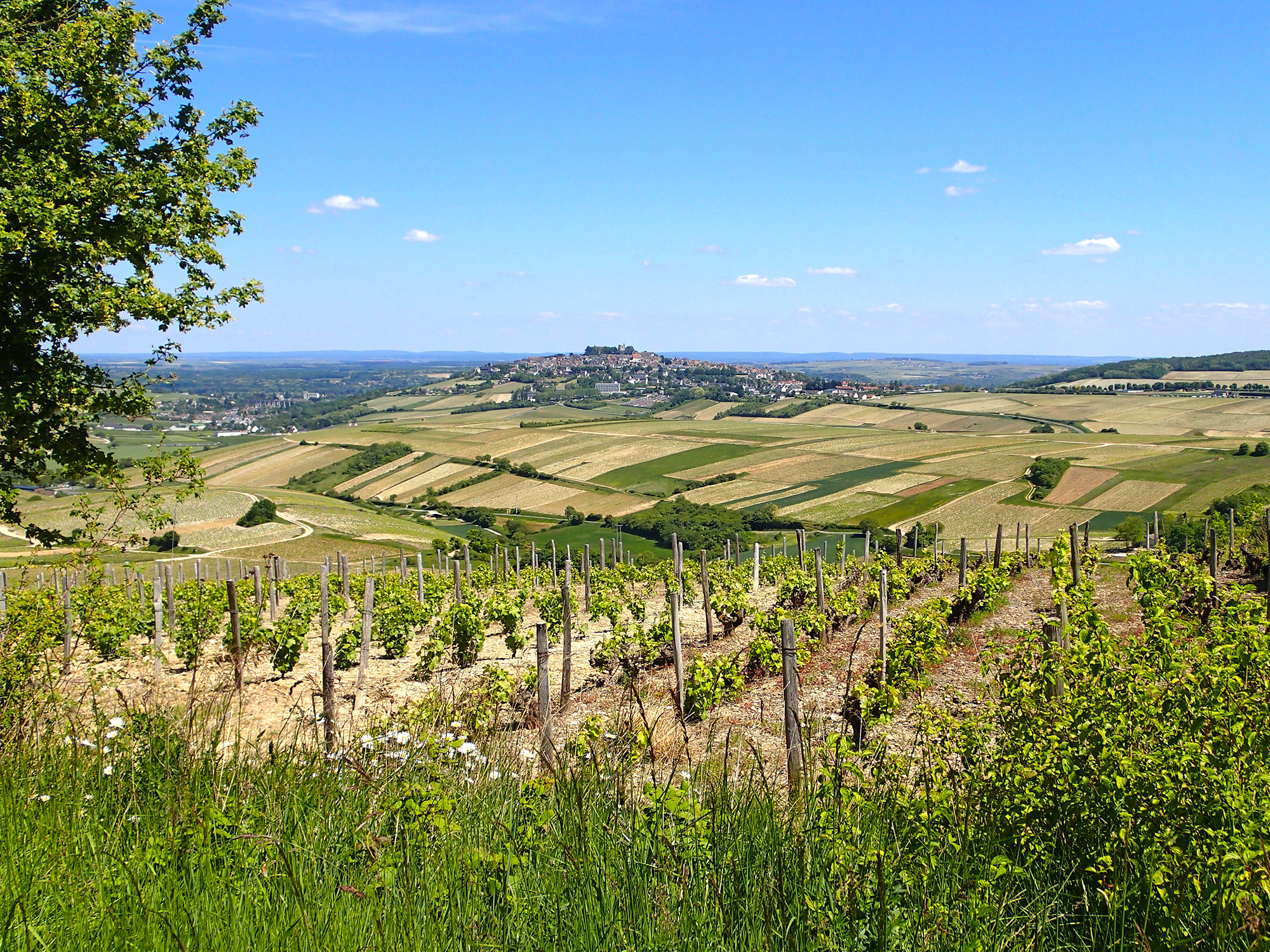
For many generations, a member of the Boulay family has been toiling on the steep slopes of the village of Chavignol, known as the ‘cursed hills’ or Monts Damnés in French. A curse and a blessing in equal measure, as the hard work is rewarded with particularly mineral-rich, complex wines. The Boulay family has been based in Chavignol since 1380. In this village, which is also home to the famous goat’s cheese, they have been bottling their own wine since the 1950s – a rarity. That they produce what are perhaps the longest-lived Sancerres is therefore well documented! Anyone looking for a kitsch Sauvignon with superficial fruitiness is in the wrong place here. Fermentation is spontaneous, followed by long ageing periods on the lees, partly in stainless steel tanks, but mostly in used demi-muids (500-litre barrels). Nevertheless, the wines do not lack Sancerre character – on the contrary: this is arguably the true, authentic expression of this great benchmark from the Loire Valley.
FactsheetTerra Vita Vinum
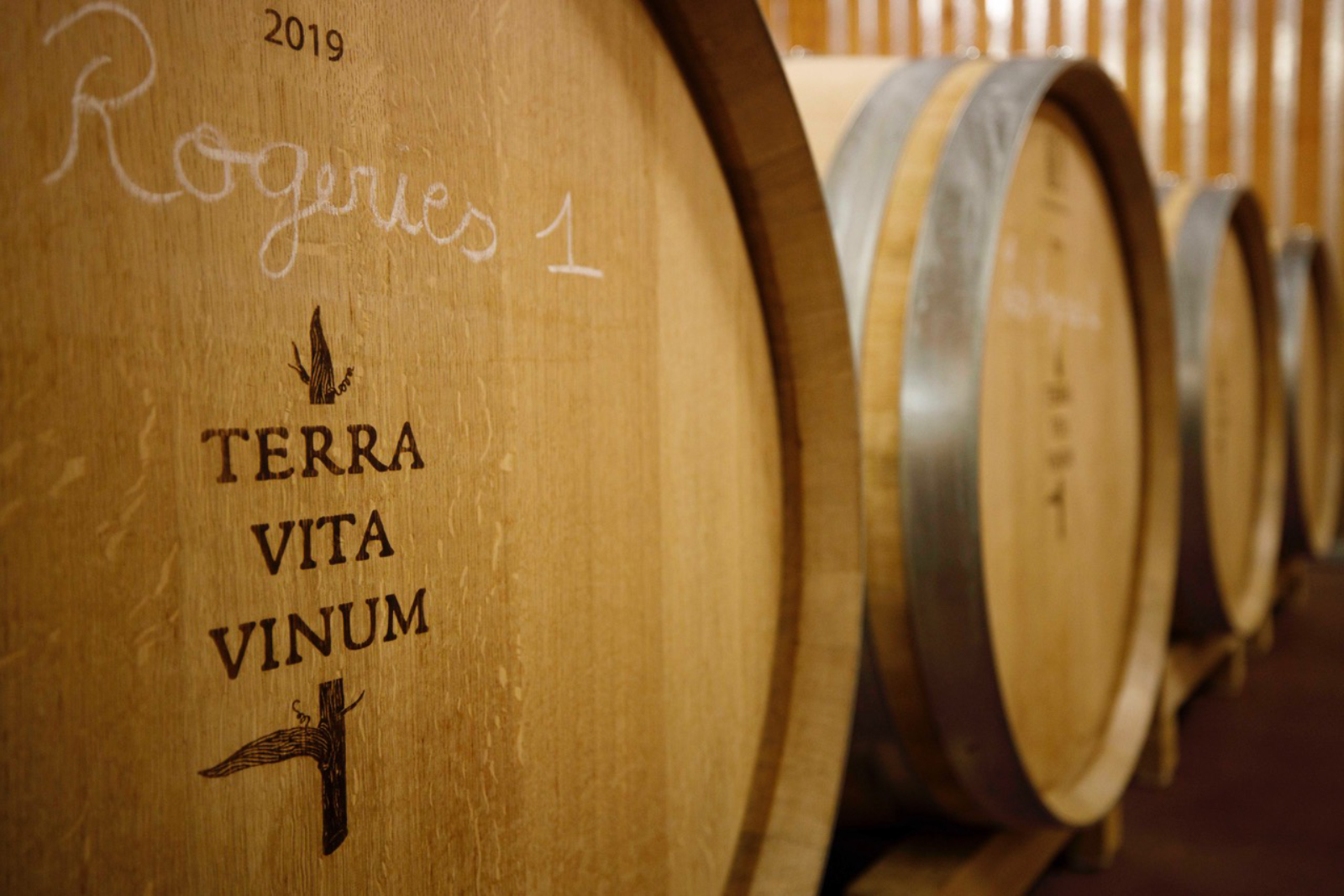
Bénédicte and Luc Briand are setting new standards of quality by letting things take their natural course. This becomes clear during a tour of the biodynamic vineyards as Luc explains: to set out his philosophy on vine management here in full would go beyond the scope of this article. Suffice it to say that the overriding aim is to ensure the grapes ripen as uniformly as possible. To this end, the Terra Vita Vinum team spares no effort. “My staff think I’m mad,” comments Luc. Things continue in a similar vein in the cellar: no sulphur until bottling (if necessary), but close monitoring and regular tasting of every batch. Bénédicte is in charge of this, as well as marketing and sales. The couple met in Nantes in 2015. Luc comes from a family of winegrowers in the region, but had previously worked as an organic consultant in fruit growing. Bénédicte has a background in the wine trade. In 2018, the pair founded Terra Vita Vinum together. Their crystal-clear, crisp Chenin Blancs already have a solid international following!
FactsheetChristophe Abbet
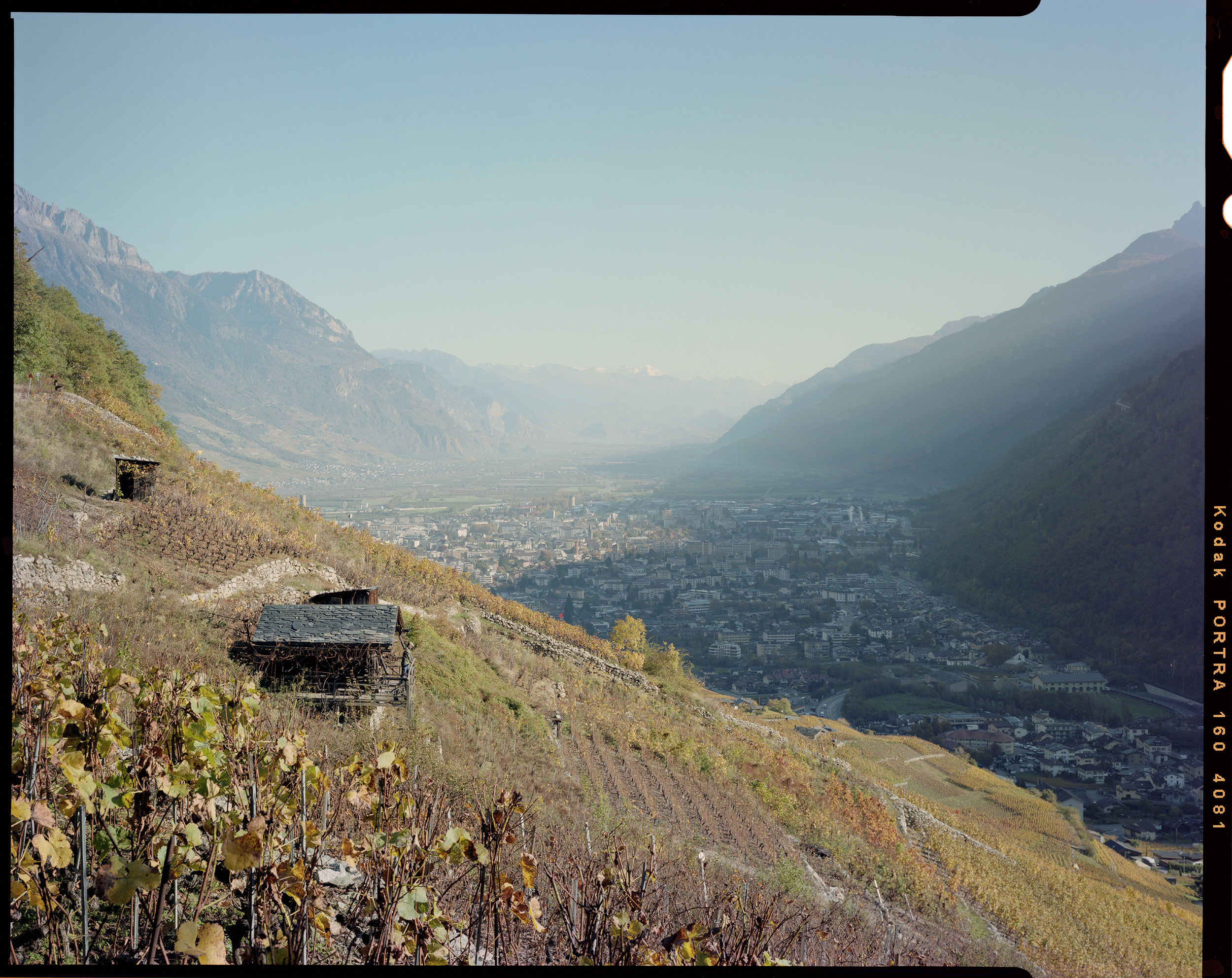
In the heart of an old smithy in Martigny, Christophe Abbet – who has for some time been assisted by the younger Hugo Bozzo di Borgo – transforms Valais specialities into liquid essences. The grapes ripen on steep terraced slopes amidst the rugged landscape of the Valais. Three hectares in total – a ‘manageable’ size, in Hugo’s words. By this he means: large enough to provide for two households, but small enough that everything can be managed self-sufficiently, using simple machinery and a great deal of hard manual labour – both in the vineyards and in the cellar. Sales are also very personal, and the website is deliberately minimalist. Anyone interested in the wines is welcome to drop by. Abbet wines are often described as idiosyncratic and artistic, and defy categorisation. There are hardly any set formulas; each wine is an individual, maturing on the lees or in the bottle until it is ready.
FactsheetBuonariva
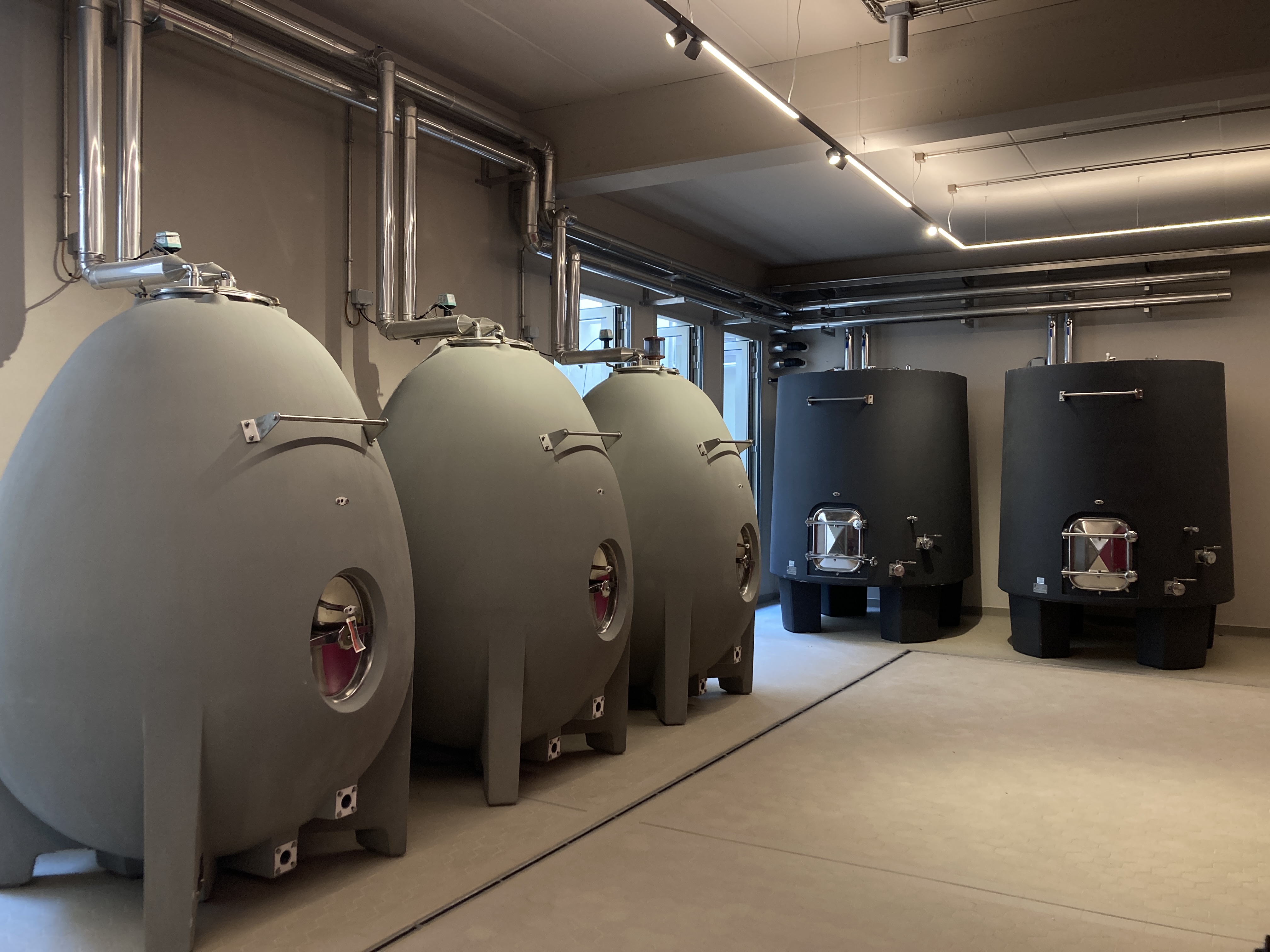
Cantina Buonariva was founded in 2016 by Silvia and Stefano Genovese, two people from the region who had switched careers. For us, it was love at first sip: a glass of ‘l’Ora d’Oro’ during a visit to a restaurant in Bologna was followed by a brief email exchange and, before long, our first import. Silvia and Stefano work with minimal intervention in a superbly equipped micro-winery: a press, tanks, concrete eggs and a small disgorging facility – all of the highest quality. The entire process takes place in the cantina, with riddling carried out by hand in small batches. The organically certified vineyards directly surrounding the cantina are planted exclusively with native grape varieties, the undisputed queen of which is Lambrusco Grasparossa di Castelvetro. Its juice produces a particularly berry-flavoured, spicy, dark Lambrusco that smells of violets and has a distinctive structure.
FactsheetSergio Gennuardi
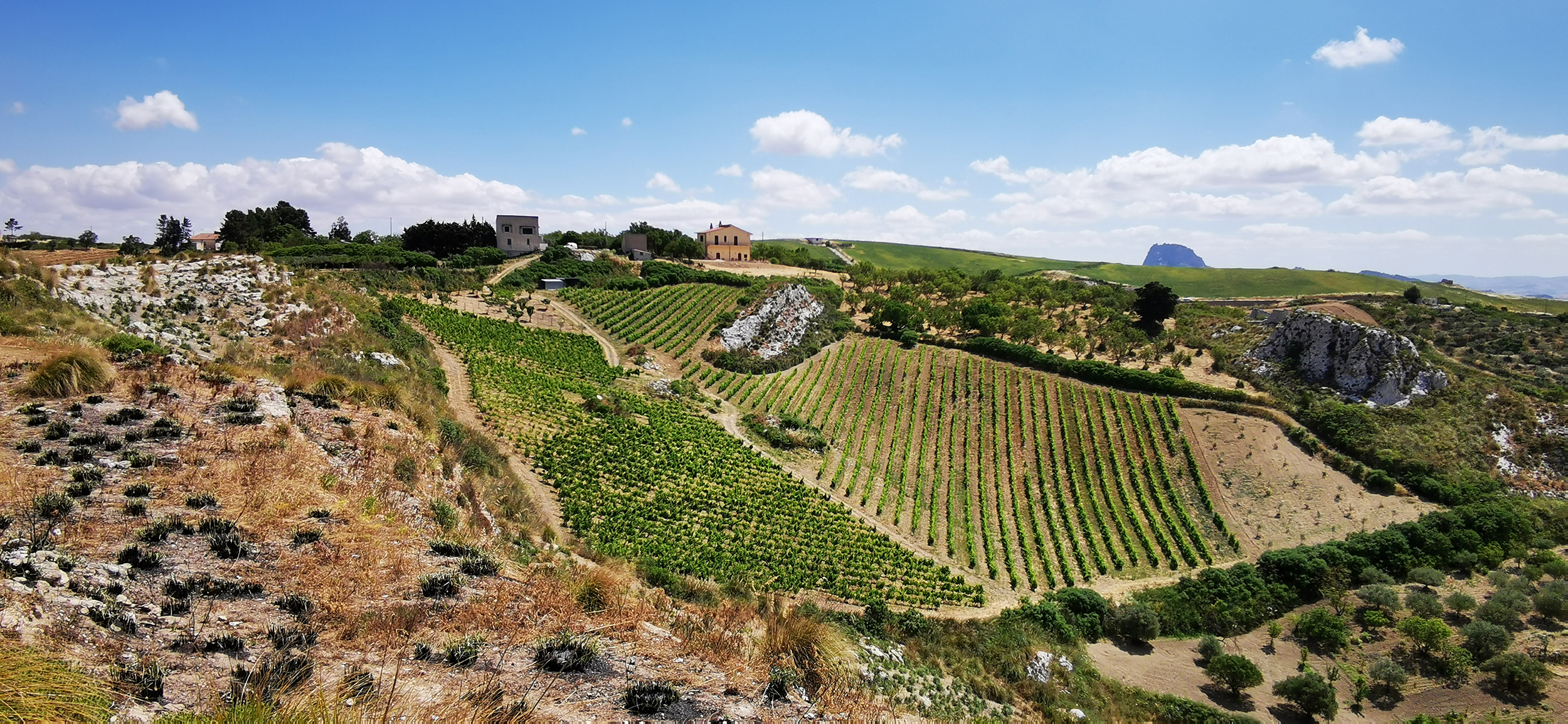
Sergio’s life revolves around the mountains of the province of Agrigento. He only left home briefly to study in Palermo, Alba and Lisbon, graduating with a Master’s degree in oenology and mountain viticulture. However, a career at large vineyards, far from home, was never an option for him: “Casteltermini is my hometown; this is where I was born and raised. My family and friends are an important part of my life.” In 2016, he took over a small vineyard, which he has been tending with great dedication ever since: no pesticides, no herbicides, no fertilisers; even the natural vegetation between the rows is cut with a scythe. He tends (and inspects) seven small individual plots to cater for their different microclimates and stages of ripeness. Project name: Le 7 vendemmie. He also carries out all other tasks by hand himself. “My hands touch every grape and every bottle, and it will always stay that way.”
FactsheetJo Landron
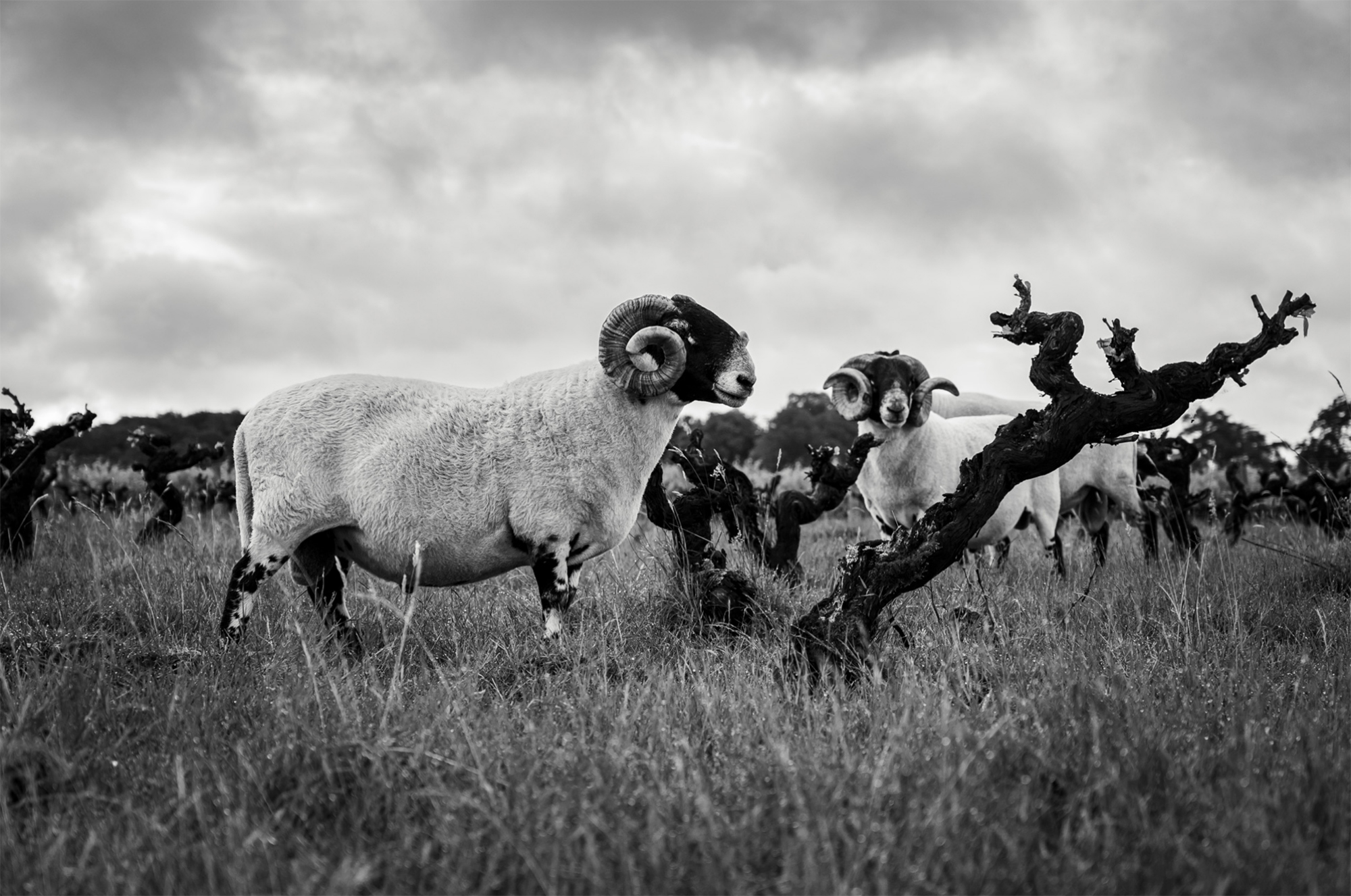
The Muscadet Sèvre et Maine appellation would not be the same without the Landron family! Jo, who took over the estate in 1979, is a pioneer of biodynamics in his region. He has dedicated his entire career to the goal of putting Muscadet on the map: transforming it from a mass-produced wine into a mineral-driven, terroir-driven wine with a long ageing on the lees. This is his gift to the world of wine and to his family, who now run the domaine through Hélène. Her focus is not on change, but on consistently building on her father’s work – both in the vineyard and in the cellar. The methods are simple: slow, gentle pressing; short sedimentation; spontaneous fermentation; and long ageing in glass-lined concrete tanks located underground. The Melon de Bourgogne variety is linear, taut and precise. It acts like a soundboard, directly translating the different soils into the wine.
FactsheetSomlói Vándor
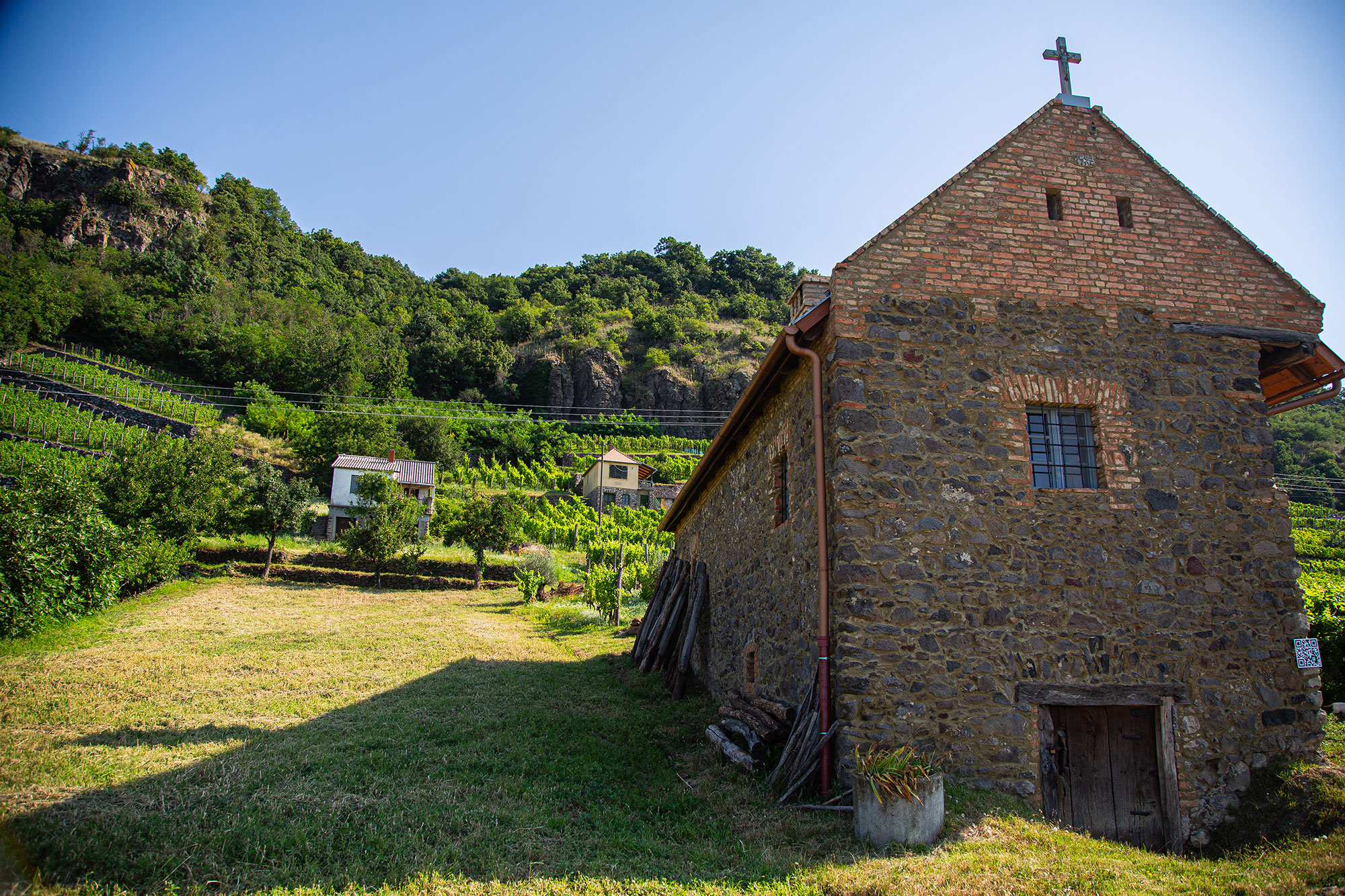
Since 2011, Tamás Kis has been working tirelessly to capture the unique terroir of the Somló region in his white wines. The fact that this region is capable of producing great wines is, however, nothing new: viticulture has been practised here since the 13th century, and the wines have always been regarded as powerful, long-lasting and of exceptional value. The name Somlói Vándor (the Wanderer of Somló) dates back to Tomi’s early years, when he was constantly commuting between a project in Eger and his own in Somló. Today, he tends his often-old vines using traditional trellis systems, with great care and sustainable methods. The low yields result in grapes of the highest quality. This yields wines full of energy and excitement: precise, almost electric, with ideal fruit ripeness and a distinctive mineral edge that characterises the finish. Within just a few years, Tomi has established himself as one of Hungary’s great winemaking talents. Roland Velich has accompanied him on part of this journey. The two are linked by their work on the Hidden Treasures projects.
Factsheet


.svg)